How to Securely File Your Taxes with an Authorized E-filer


Understanding the Importance of Secure E-filing
Filing taxes is an annual responsibility that can be simplified through electronic filing, commonly known as e-filing. Using an authorized e-filer ensures that your tax return is submitted securely and efficiently. With the rise of cyber threats, it's crucial to understand how to protect your sensitive information during this process.
Why Choose an Authorized E-filer?
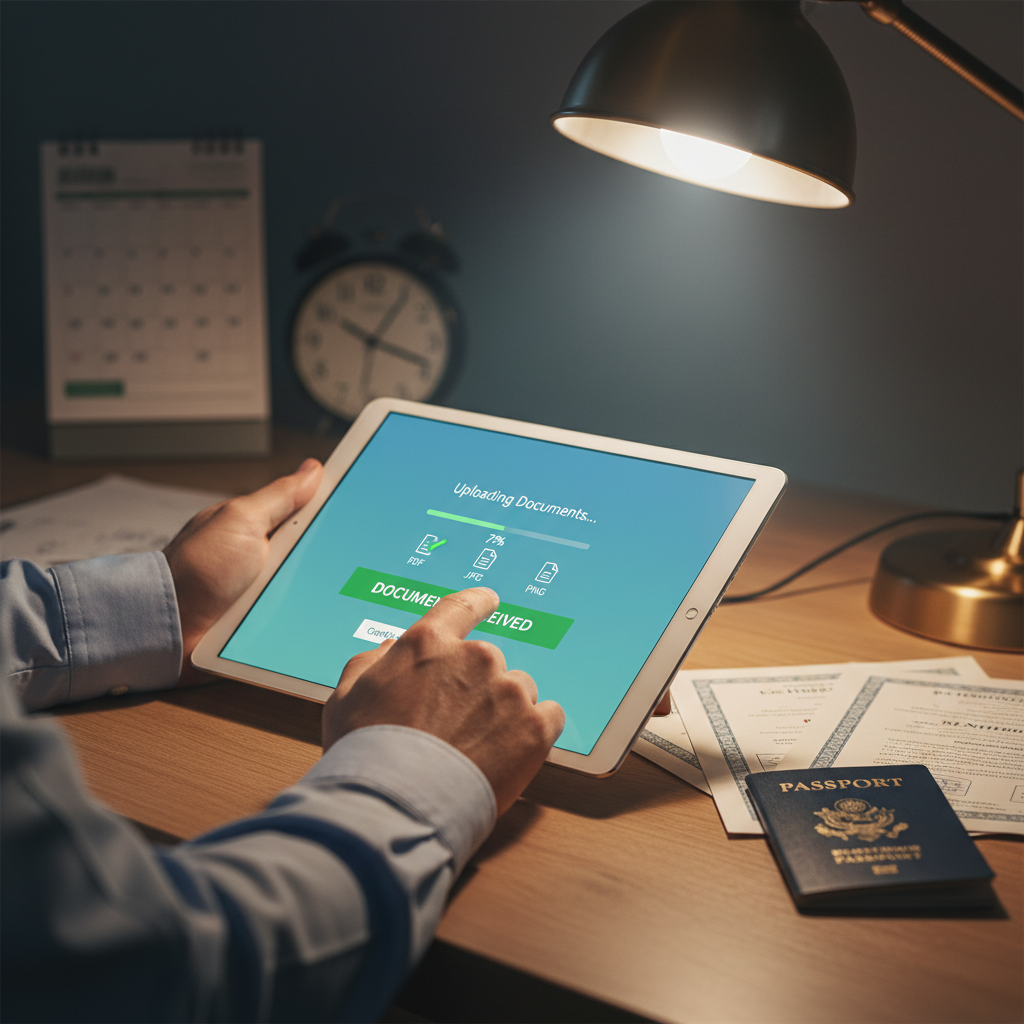
Authorized e-filers are approved by the IRS, ensuring they meet strict security standards. These professionals use encryption and secure transmission protocols to safeguard your data. This minimizes the risk of identity theft, a growing concern in today's digital age.
Beyond security, authorized e-filers offer expertise in tax regulations, helping you maximize deductions and credits. Their knowledge can be invaluable, especially if you have a complex tax situation.
Steps to Secure Your Tax Filing
To ensure your tax filing is secure, consider the following steps:
- Choose a reputable e-filer: Verify their authorization status through the IRS website.
- Use strong, unique passwords: Protect your accounts with passwords that combine letters, numbers, and symbols.
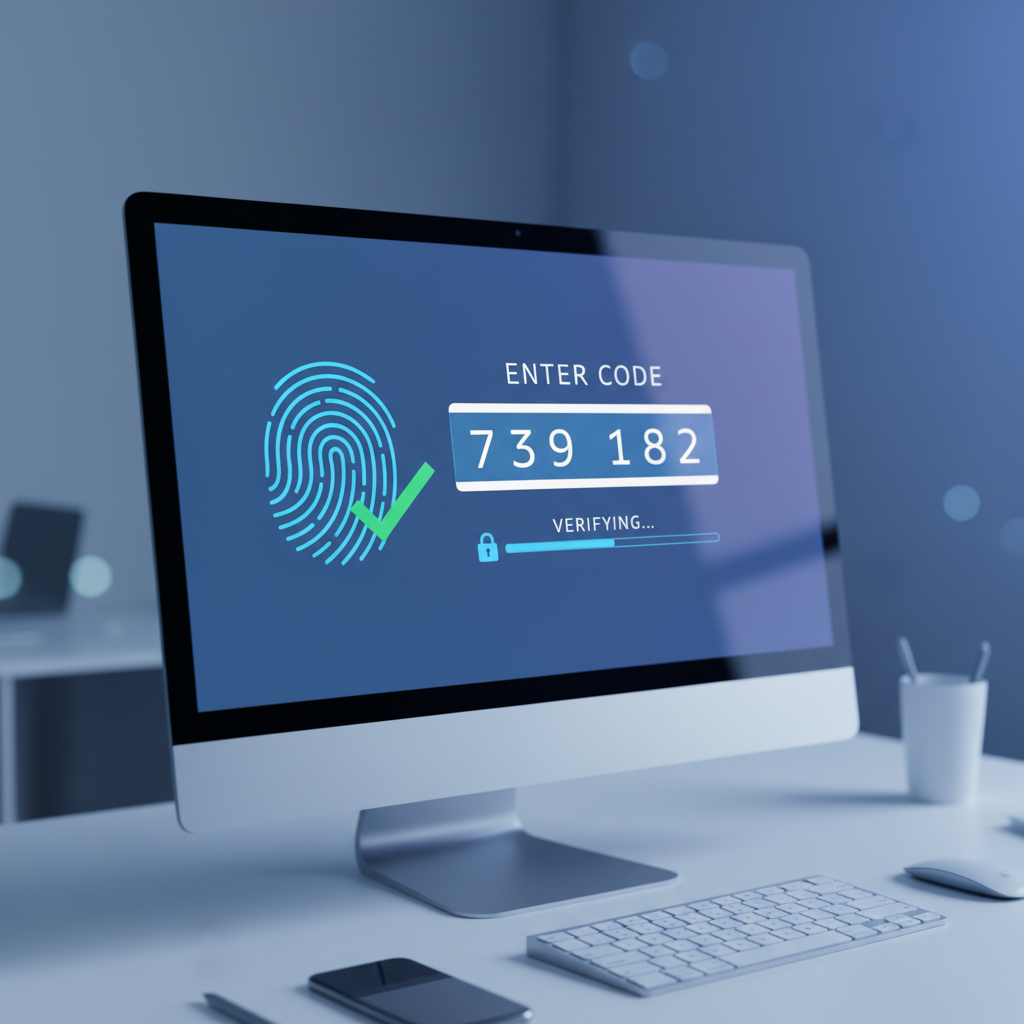
- Enable two-factor authentication: This adds an extra layer of security to your accounts.
Keep Your Software Updated
Ensure that all software, including your operating system and any tax-related applications, are up-to-date. Updates often include patches for security vulnerabilities, providing an additional layer of protection against cyber threats.
It's also wise to install and regularly update antivirus and anti-malware programs on your devices. These tools can detect and neutralize potential threats before they compromise your data.
Safeguard Your Personal Information
Be cautious about where and how you share your personal information. Avoid using public Wi-Fi networks when e-filing, as they can be easily compromised. Instead, use a secure, private connection.
Additionally, be wary of phishing scams. Cybercriminals might attempt to impersonate the IRS or tax professionals to trick you into providing sensitive information. Always verify the authenticity of any communication you receive regarding your taxes.
Backup Your Data
Before filing, ensure you have a backup of all your tax-related documents. This can be done using secure cloud services or external hard drives. Having a backup ensures you can recover your information in case of a data breach or hardware failure.
Finally, once your taxes are filed, securely store your e-filing confirmation and any related documents. Keeping these records is essential for future reference and in case of an audit.

By following these guidelines and using an authorized e-filer, you can confidently and securely file your taxes, protecting your personal information and ensuring compliance with tax laws.