The Future of Tax Filing: Exploring Digital Trends Without Year Reference


The Rise of Digital Tax Filing
The world of tax filing is undergoing a significant transformation with the advent of digital technologies. More individuals and businesses are turning to online platforms to streamline their tax processes, making the task less daunting and more efficient. This shift is not only a matter of convenience but also a reflection of how technology is reshaping traditional practices.

Automation and AI in Tax Preparation
One of the most promising developments in digital tax filing is the integration of automation and artificial intelligence. These technologies can handle complex calculations, identify deductions, and even predict potential audits with remarkable accuracy. By reducing human error and increasing efficiency, AI-driven software offers a seamless experience for users.
Additionally, automation allows for the real-time processing of tax documents, ensuring that any updates or changes in tax law are immediately accounted for. This dynamic adaptability makes digital platforms highly appealing to both individuals and businesses looking to stay compliant with minimal effort.
Enhanced Security Measures
With the increase in cyber threats, security is a top priority for digital tax filing platforms. Advanced encryption techniques and multi-factor authentication are now standard features, providing users with peace of mind that their sensitive information is well-protected. Companies are continually investing in robust security infrastructures to safeguard against potential breaches.

Moreover, digital platforms often include features such as secure document storage and access logs, allowing users to track who accesses their information and when. This transparency further enhances trust in digital tax solutions.
User-Friendly Interfaces
Another trend shaping the future of tax filing is the emphasis on user-friendly interfaces. Many platforms now offer intuitive designs that guide users through each step of the tax filing process. This includes providing tips, FAQs, and support options to assist users in real-time.
The use of chatbots and virtual assistants is also becoming increasingly common, offering personalized support and ensuring that even those with little tax knowledge can navigate the system with ease.
The Role of Mobile Applications
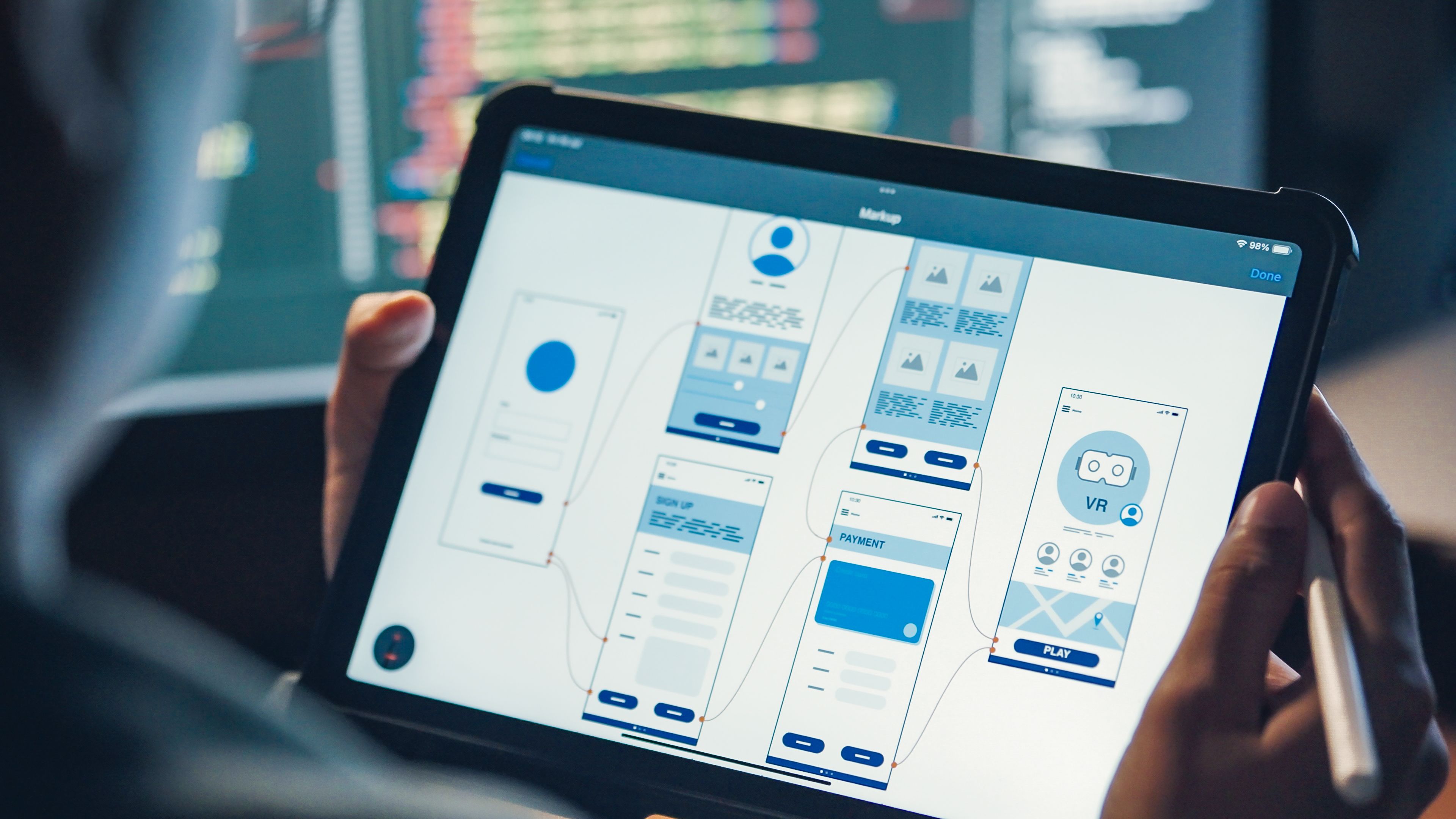
Mobile applications are playing a crucial role in making tax filing more accessible. With apps available on smartphones and tablets, users can file their taxes from anywhere at any time. This convenience is particularly beneficial for small business owners and freelancers who may not have the time to sit down at a desktop computer.
Additionally, mobile apps often come equipped with features such as receipt scanning and expense tracking, allowing users to compile and organize necessary documents throughout the year. This proactive approach simplifies the filing process when tax season arrives.
Looking Ahead
As technology continues to evolve, the future of tax filing promises even greater innovations. We can anticipate more integrated systems that connect with other financial tools, offering a comprehensive view of an individual's or business's financial health. This holistic approach will not only simplify tax filing but also provide valuable insights for financial planning.
Embracing these digital trends means staying ahead of the curve and ensuring a more efficient, secure, and user-friendly tax filing experience. As more people adopt these technologies, the transition to fully digital tax filing will become inevitable, setting a new standard for how we approach taxes.