The Ultimate Guide to Filing Taxes with Confidence and Ease


Understanding the Basics of Tax Filing
Filing taxes can seem daunting, but understanding the basics can make the process much smoother. The key is to start early, get organized, and educate yourself on the current tax laws. Whether you're filing as an individual or a business, knowing what forms to use and what deductions you're eligible for is essential.
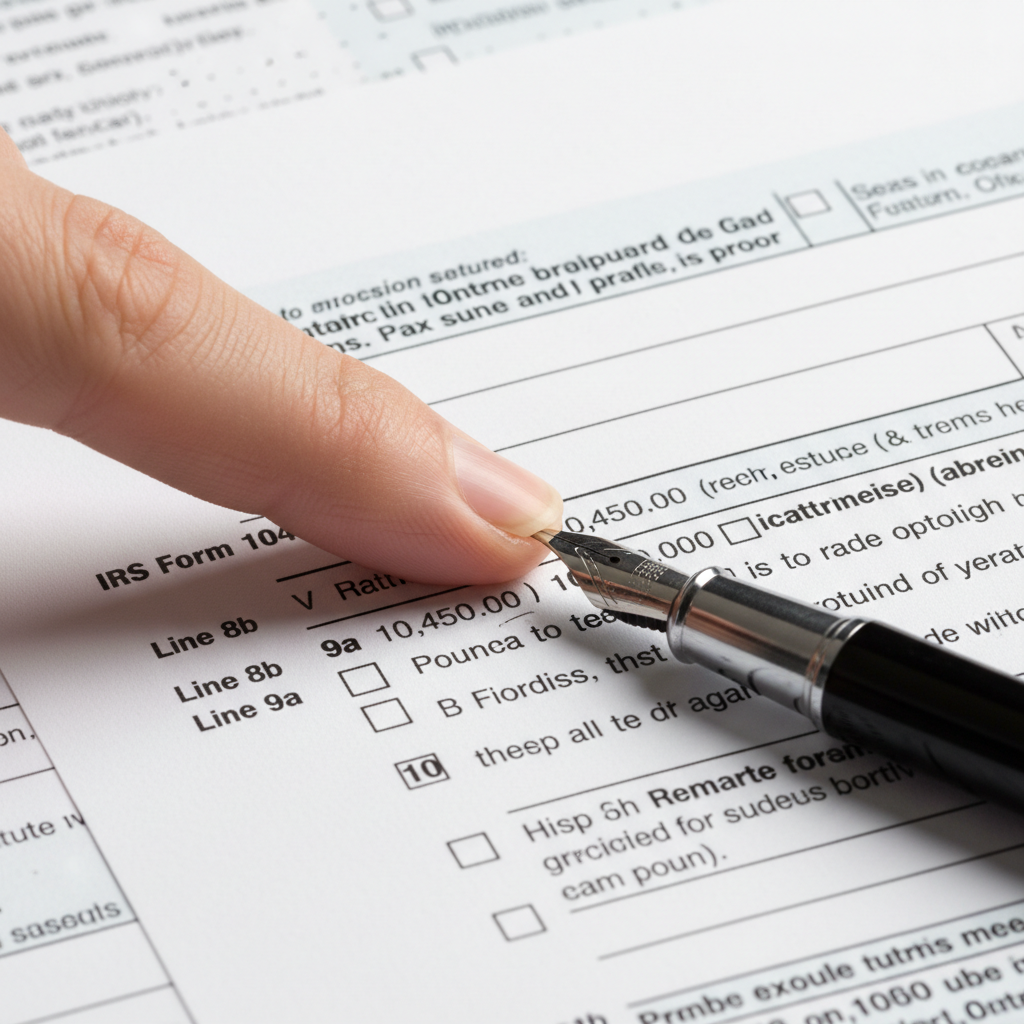
Before diving into the details, gather all necessary documents such as W-2s, 1099s, and any receipts for deductible expenses. Having these documents ready will help you avoid last-minute stress and ensure that your tax return is accurate.
Choosing the Right Tax Filing Method
There are various methods to file your taxes, and choosing the right one depends on your situation. You can file electronically through tax software, hire a professional, or do it manually. Each method has its pros and cons, so consider factors like cost, complexity, and your comfort level with tax regulations.
Electronic filing is often the fastest and most user-friendly option, offering step-by-step guidance. On the other hand, hiring a professional might be a better choice if your tax situation is complex or if you own a business.
Maximizing Deductions and Credits
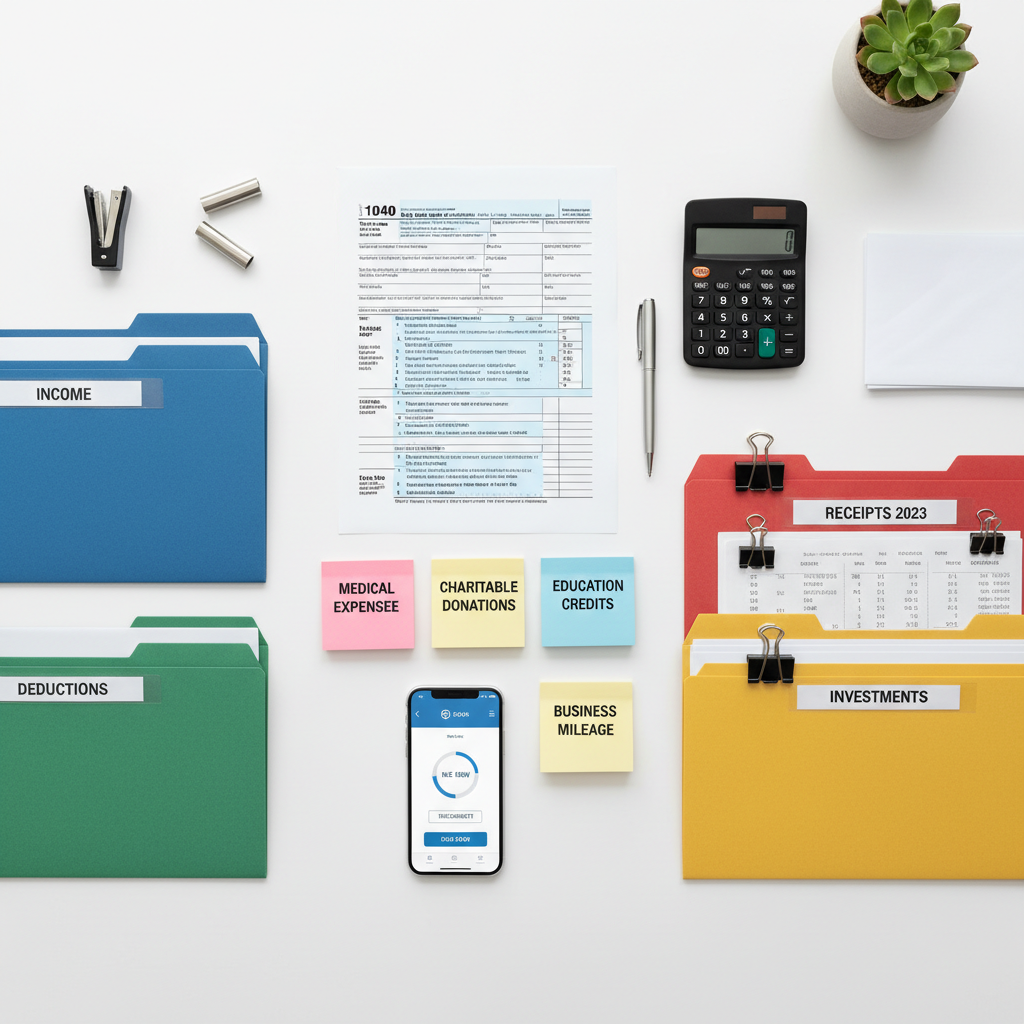
To file your taxes with confidence, it's crucial to maximize your deductions and credits. Investigate all possible deductions, such as student loan interest, mortgage interest, and medical expenses. Tax credits, like the Earned Income Tax Credit or Child Tax Credit, can also significantly reduce your tax bill.
Staying informed about new tax laws and updates each year can help you identify additional savings opportunities. Keep a detailed record of all deductible expenses throughout the year to simplify this process.

Handling Common Tax Filing Mistakes
Even minor mistakes can lead to delays or penalties, so double-check your return for common errors. Ensure that all names and Social Security numbers are correct, and verify that you've reported all income accurately. Don't forget to sign your return, as an unsigned return is considered incomplete.
If you realize you've made a mistake after filing, you can file an amended return using Form 1040-X. It's better to correct errors promptly rather than wait for the IRS to contact you.
Utilizing Tax Tools and Resources
Many tools and resources are available to help you file taxes with ease. The IRS website offers a wealth of information and free resources, including forms, instructions, and answers to frequently asked questions. Tax software programs also provide helpful tools like calculators and error-checkers.
Don't hesitate to seek assistance from a tax professional if needed. They can offer personalized advice and support, ensuring that your tax return is both accurate and optimized for savings.