Understanding IRS E-Filing: A Secure and Efficient Option


What is IRS E-Filing?
In today's digital age, the Internal Revenue Service (IRS) offers electronic filing, commonly known as e-filing, as a streamlined way to submit your tax returns. E-filing allows taxpayers to send their returns directly to the IRS using the internet, eliminating the need for paper forms and physical mail.
With e-filing, the process is not only faster but also more accurate. The IRS's system automatically checks for common errors, reducing the likelihood of mistakes that can delay processing. As a result, many taxpayers receive their refunds more quickly than with traditional paper filing.

Benefits of E-Filing
One of the primary benefits of e-filing is its efficiency. Submitting your tax returns electronically can significantly shorten the time it takes for the IRS to process your information. On average, taxpayers who e-file receive their refunds within 21 days.
Another advantage is the enhanced security offered by e-filing. The IRS employs advanced encryption and authentication technologies to protect your personal information, ensuring that your data remains confidential and secure throughout the process.
Convenience and Accessibility
E-filing is also highly convenient. You can file your taxes from the comfort of your home, at any time that suits you, without the need to visit a post office or tax office. Additionally, many tax preparation software programs integrate seamlessly with the IRS's e-filing system, making it easier for individuals to complete their returns accurately.
Furthermore, e-filing is accessible to a wide range of taxpayers, including individuals, businesses, and tax professionals. This accessibility ensures that everyone can take advantage of this efficient filing method.

How to Get Started with E-Filing
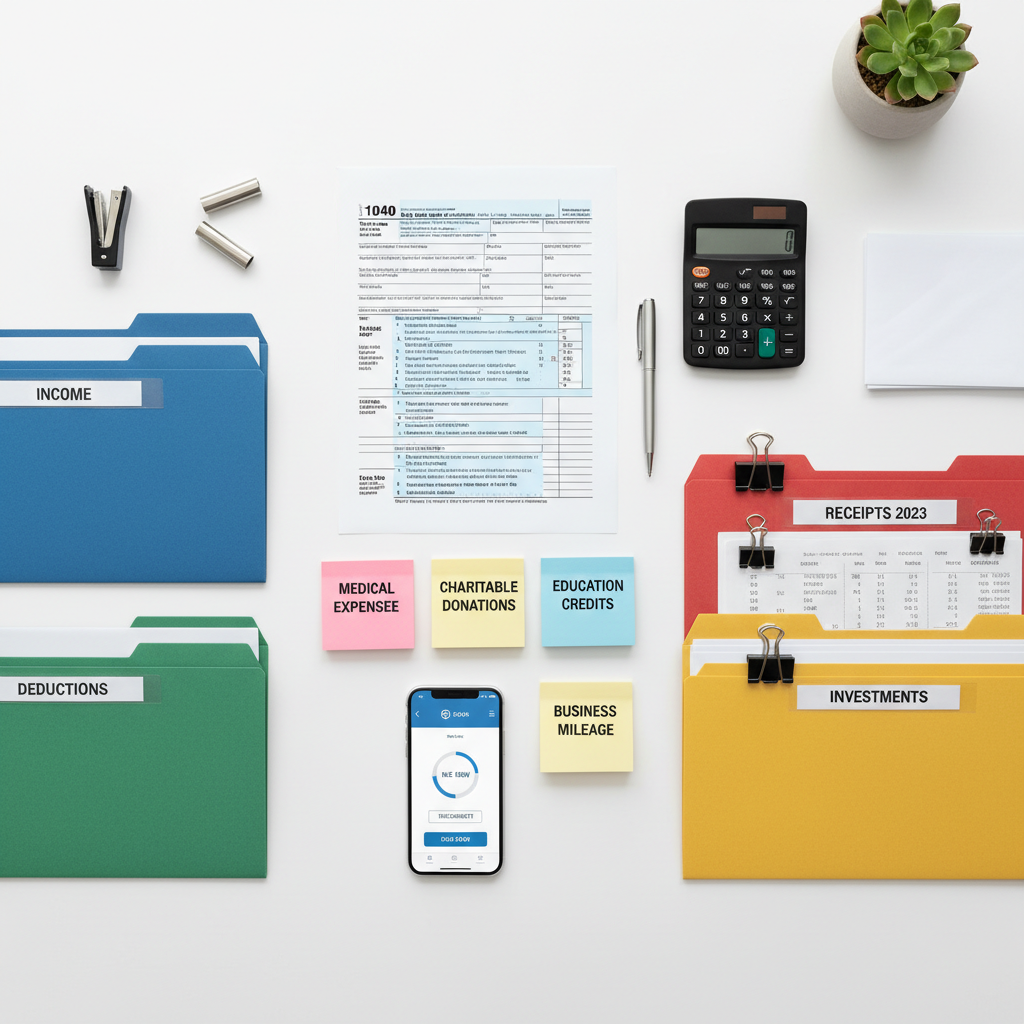
Getting started with e-filing is straightforward. First, choose a reputable tax preparation software that is compatible with IRS e-filing. These programs guide you through the process, helping you gather necessary documents and ensuring that all required fields are completed.
- Gather your personal and financial documents.
- Select a trusted tax software.
- Follow the software's instructions to complete your return.
- Submit your return electronically through the software.
Common Questions and Concerns
Some taxpayers may have concerns about the safety of e-filing. However, it's important to note that the IRS uses robust security measures to protect your information. If you have questions about the process, consult with a tax professional or refer to the IRS website for additional guidance.
In conclusion, IRS e-filing is a secure, efficient, and convenient way to submit your tax returns. By taking advantage of this modern option, you can ensure a smoother tax season with faster refunds and fewer errors.